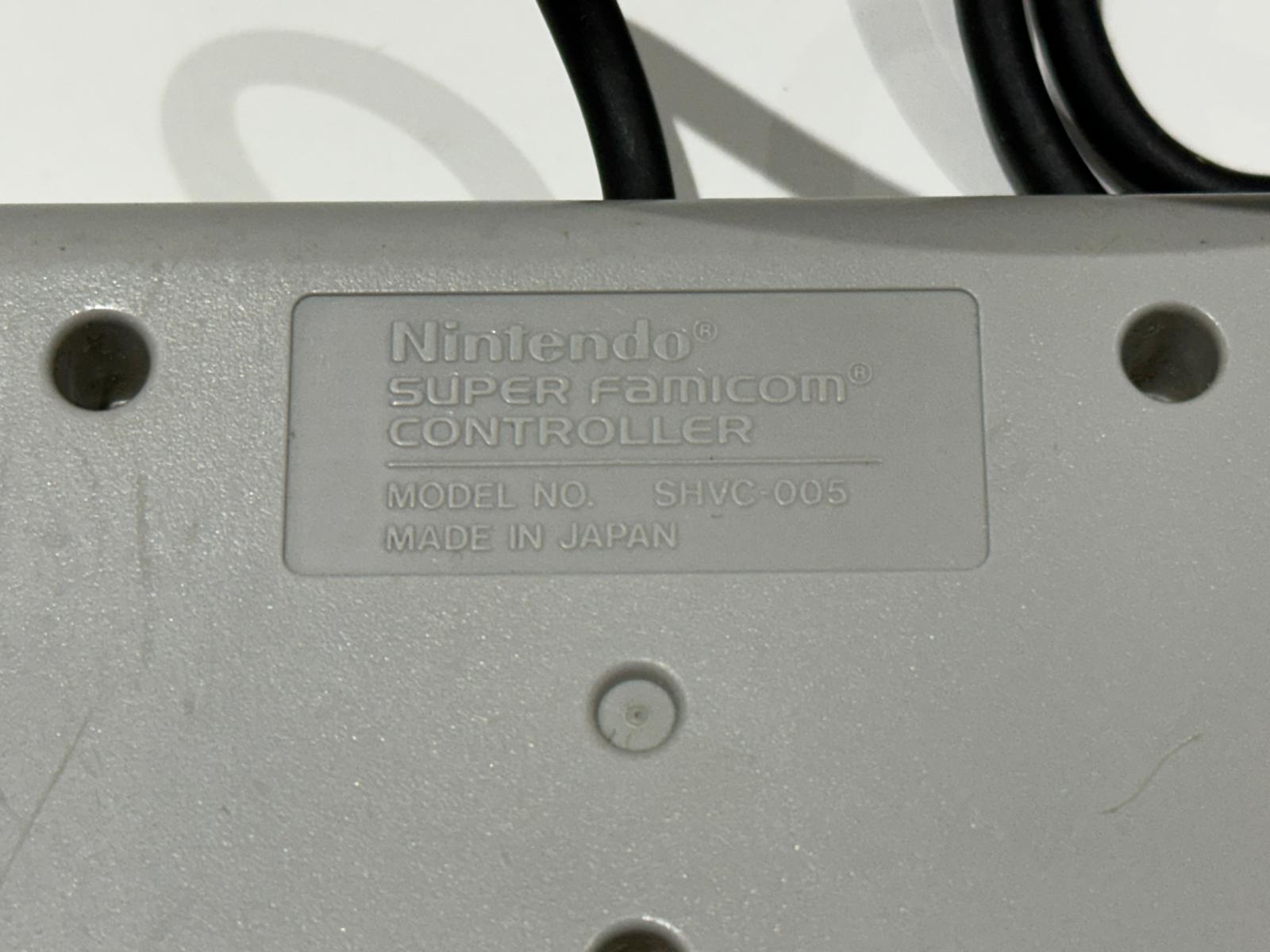
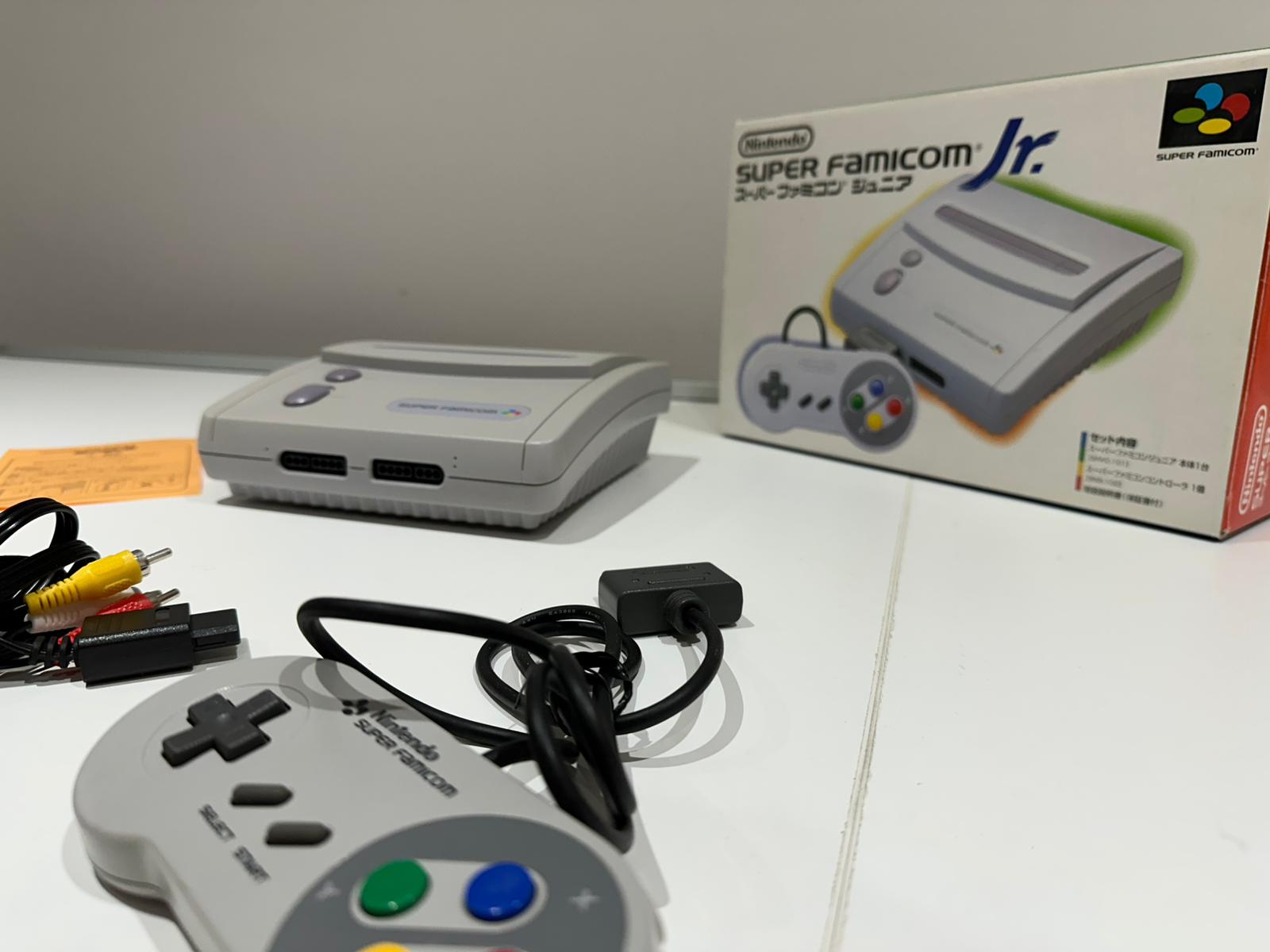
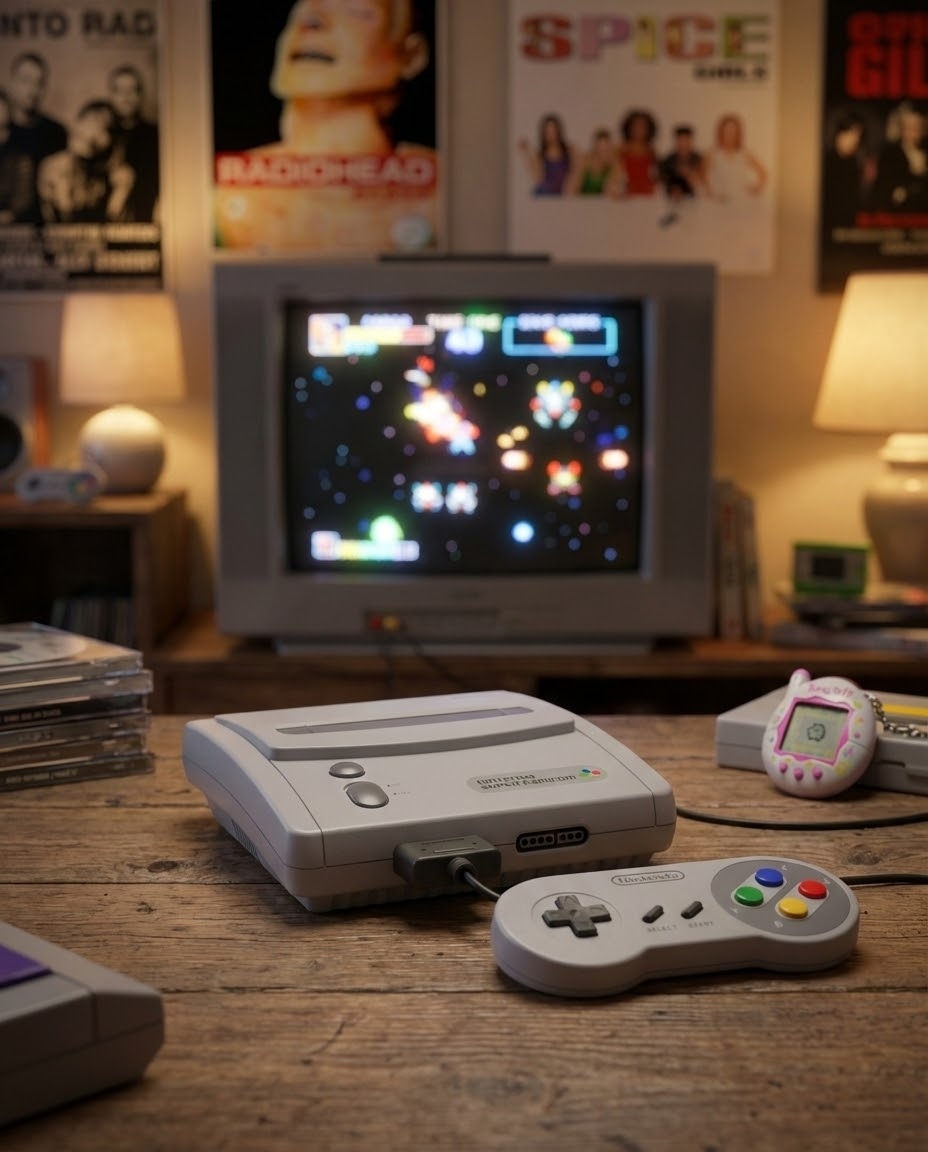
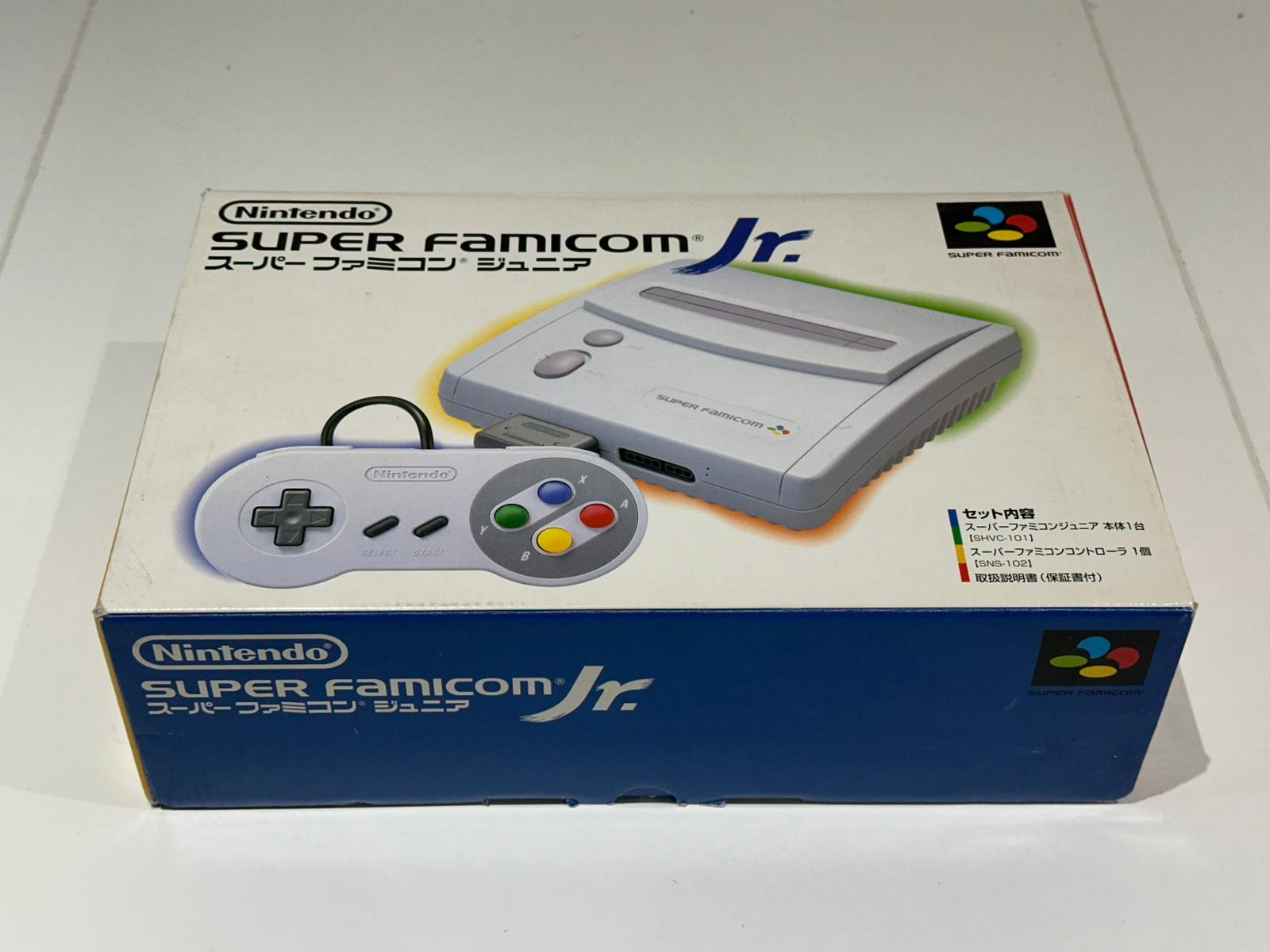
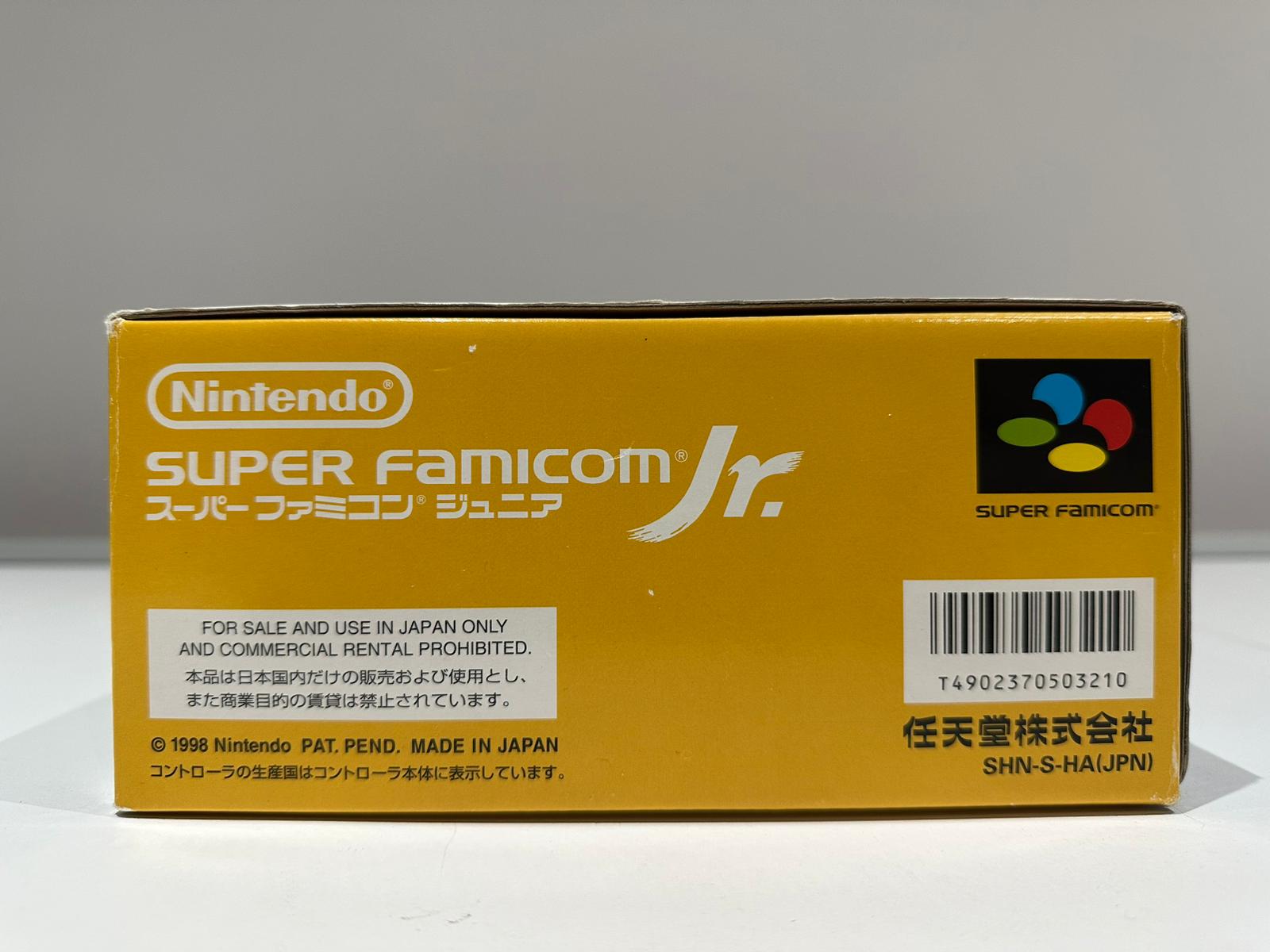
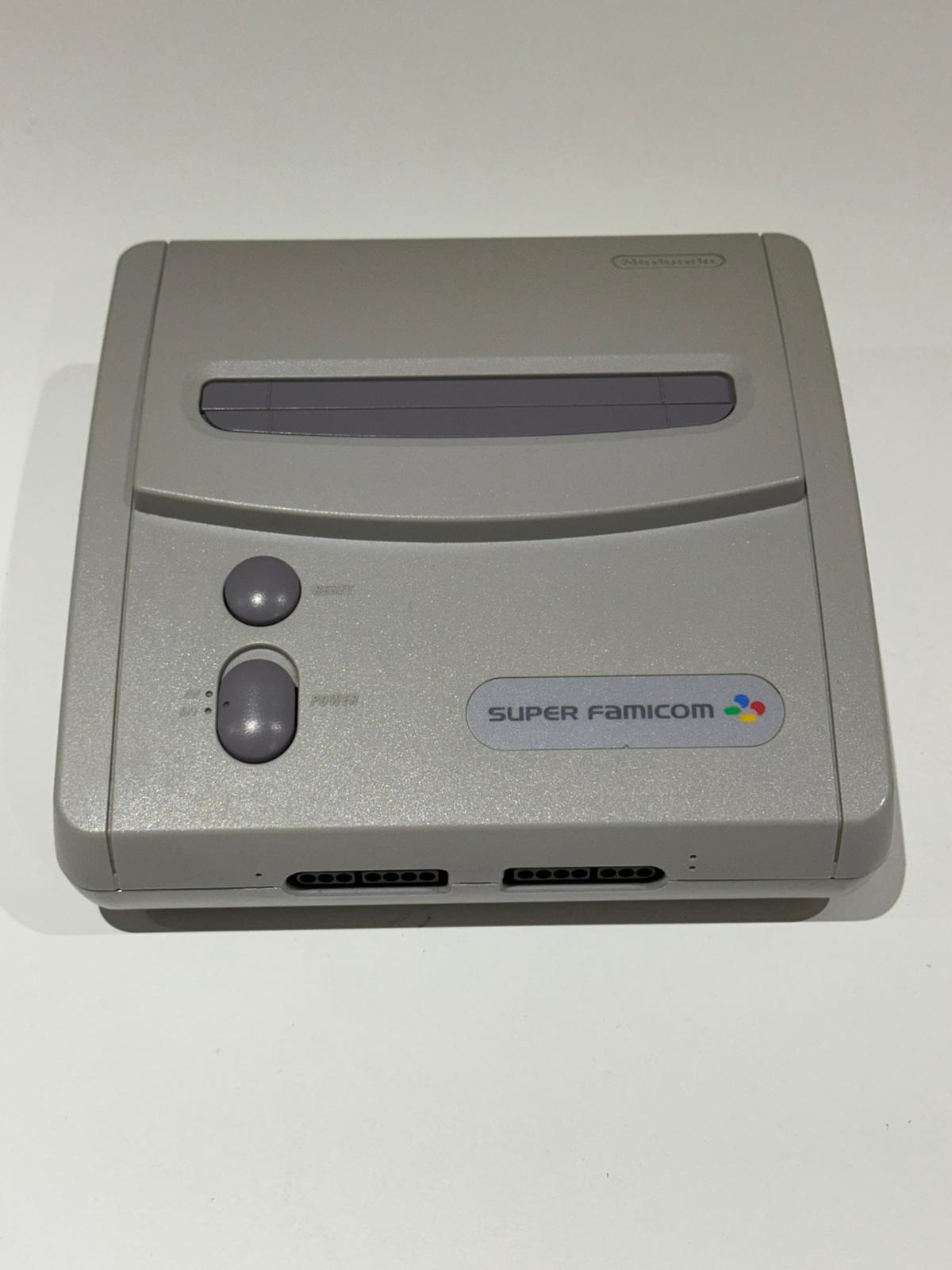
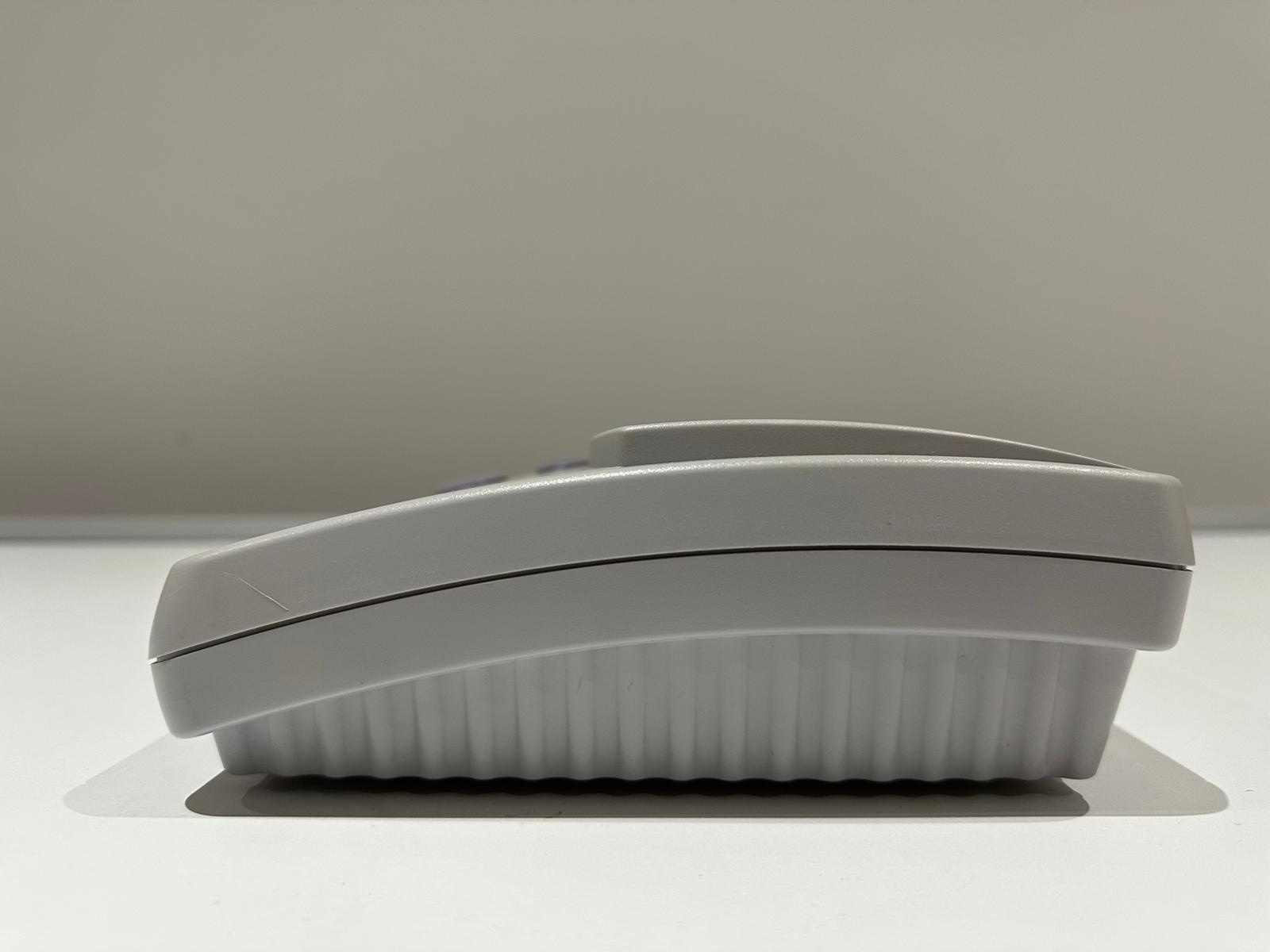
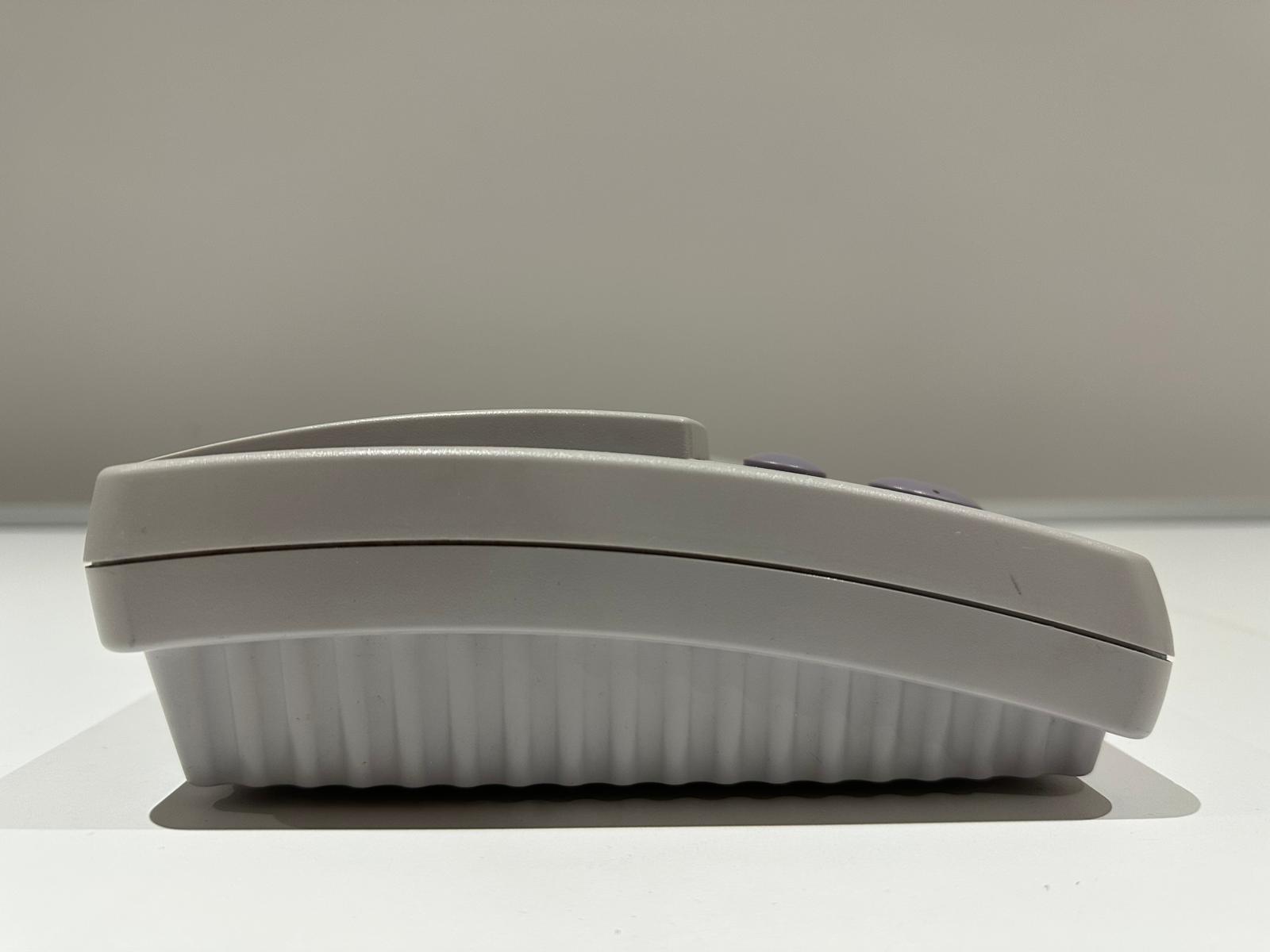
The Super Famicom Jr., released by Nintendo in 1997, represented a significant cost-cutting revision of the original Super Famicom (known as the Super Nintendo Entertainment System or SNES in North America and Europe). Designed to be a more affordable entry point into the 16-bit gaming market as the Nintendo 64 gained traction, the Super Famicom Jr. stripped away unnecessary features and adopted a smaller, sleeker design. This revision played a crucial role in extending the lifespan of the Super Famicom platform, allowing Nintendo to continue capitalizing on its extensive game library and maintain a presence in the console market during the transition to the next generation.
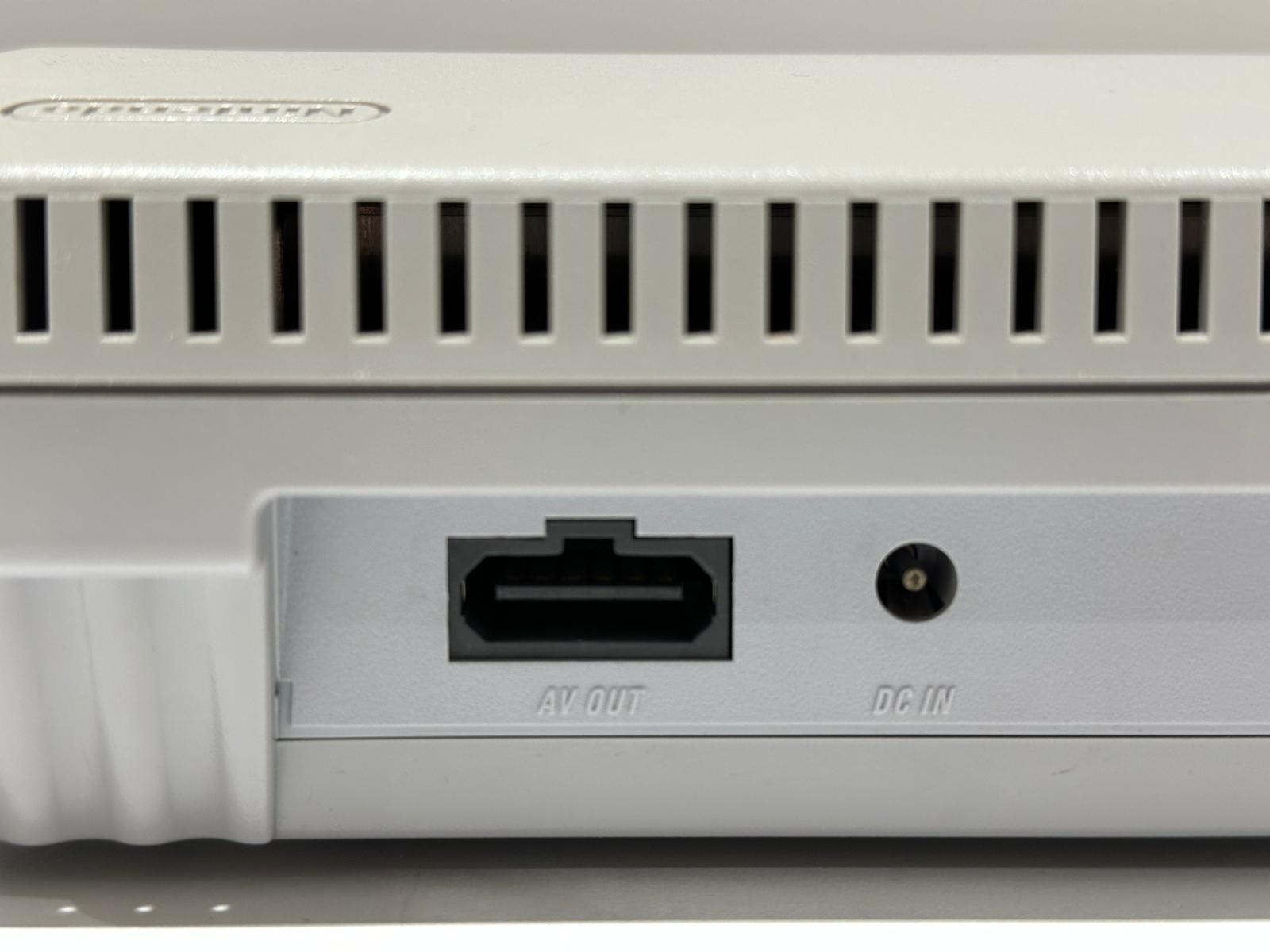
The Super Famicom Jr. lacked certain features found in the original model, such as the S-Video output, but maintained full compatibility with all existing Super Famicom game cartridges and accessories. Its more compact form factor and lower price point made it an attractive option for budget-conscious consumers and those new to the 16-bit era. Although it didn't introduce any new technical advancements, the Super Famicom Jr. served as a testament to the enduring appeal of the Super Famicom's game library and helped cement its legacy as one of the most beloved consoles of all time. It was exclusively released in Japan. The system is also known as SNS-101 in other territories.
1997
NINTENDO
SUPER FAMICOM JR
📜 History & Legacy
⚙️ Specifications
- ❖ CPU: 16-bit Ricoh 5A22 processor, running at 3.58 MHz
- ❖ GPU: Custom video processor capable of displaying 256 colors simultaneously from a palette of 32,768
- ❖ RAM: 128 KB
- ❖ Storage: Cartridge-based
- ❖ Media: ROM Cartridge
🎮 Top 10 Games
- ★ The Legend of Zelda: A Link to the Past
- ★ Super Metroid
- ★ Super Mario World
- ★ Chrono Trigger
- ★ Final Fantasy VI
- ★ Street Fighter II Turbo
- ★ Donkey Kong Country
- ★ Super Mario Kart
- ★ EarthBound
- ★ Contra III: The Alien Wars
💡 Curiosities
- ? Curiosity 1: The Super Famicom Jr. was significantly smaller than the original Super Famicom.
- ? Curiosity 2: It lacked the S-Video output of the original model.
- ? Curiosity 3: It was designed to be a more affordable alternative as the Nintendo 64 gained popularity.
- ? Curiosity 4: It was only released in Japan.
- ? Curiosity 5: It maintained full compatibility with all Super Famicom game cartridges.
- ? Curiosity 6: The design was simplified to reduce manufacturing costs.
- ? Curiosity 7: It helped extend the lifespan of the Super Famicom platform.
- ? Curiosity 8: The power switch was relocated to the back of the console.
- ? Curiosity 9: The controller ports are located on the front of the console.
- ? Curiosity 10: It is considered a cost-reduced redesign of the original Super Famicom.
📸 Gallery
.jpeg)
.jpeg)
.jpeg)
.jpeg)
.jpeg)
.jpeg)
.jpeg)
.jpeg)
.jpeg)
.jpeg)
.jpeg)
.jpeg)
.jpeg)
.jpeg)
.jpeg)
.jpeg)
.jpeg)
.jpeg)
.jpeg)