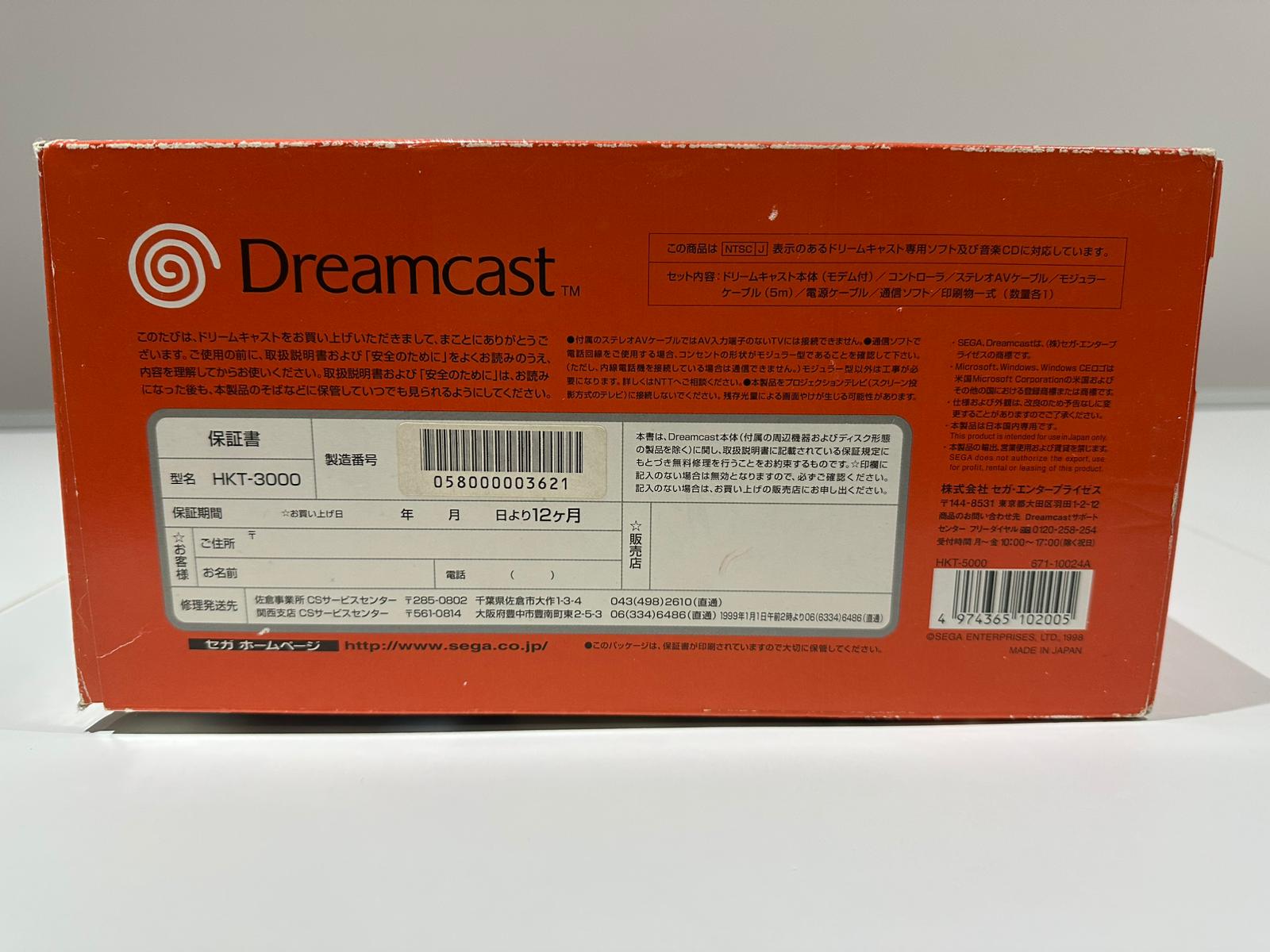
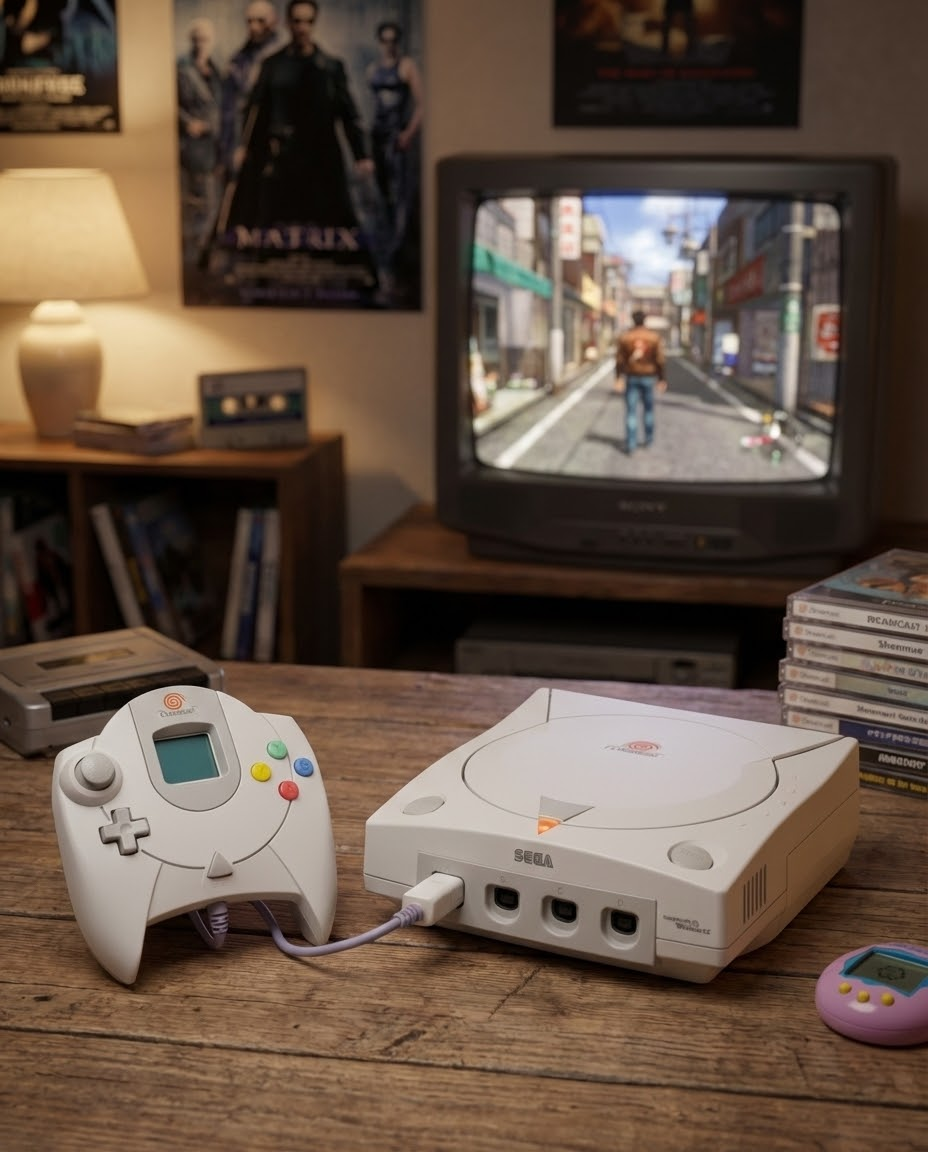
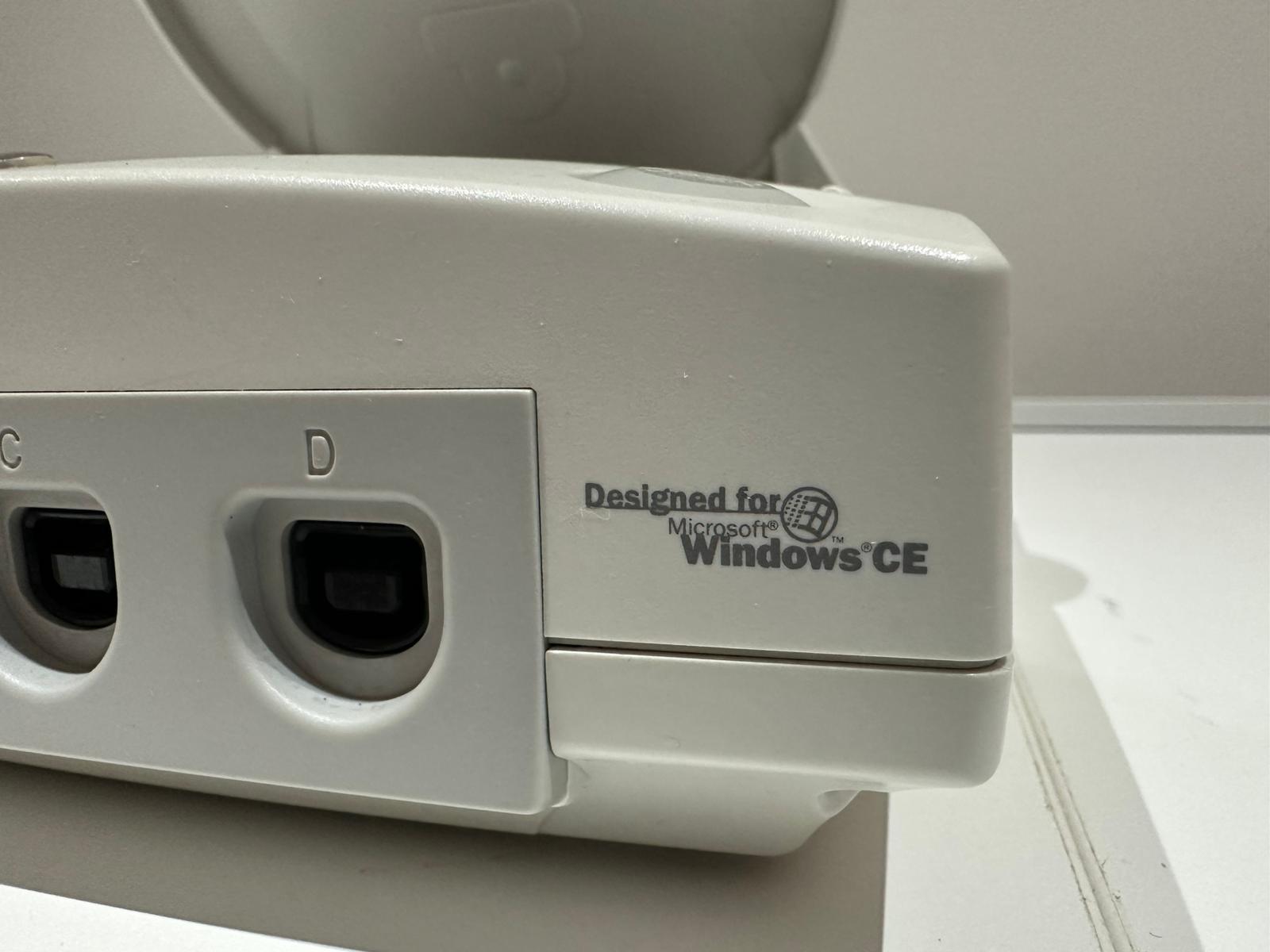
The Sega Dreamcast, launched in Japan in 1998 and subsequently in North America and Europe in 1999, holds a unique and somewhat tragic place in video game history. It was Sega's last foray into the console market, and despite its innovative features and impressive game library, it was ultimately unsuccessful in competing against the PlayStation 2. The Dreamcast is remembered for being ahead of its time, boasting online capabilities through its built-in modem and offering a diverse range of genres, from arcade-perfect fighters to innovative RPGs. Its short lifespan, however, cemented its status as a cult classic.
The Dreamcast's legacy is one of both innovation and missed potential. It introduced features like online multiplayer, downloadable content, and a web browser to the console space, paving the way for future generations of gaming systems. Games like Shenmue, Crazy Taxi, and Jet Set Radio pushed the boundaries of what was possible on a console, showcasing the Dreamcast's graphical prowess and unique gameplay experiences. Despite its commercial failure, the Dreamcast remains a beloved console among gamers and is remembered for its groundbreaking technology and exceptional library of games that continue to be enjoyed today.
1998
SEGA
SEGA DREAM CAST
📜 History & Legacy
⚙️ Specifications
- ❖ CPU: Hitachi SH-4 32-bit RISC CPU @ 200 MHz
- ❖ GPU: PowerVR2 CLX2 @ 100 MHz
- ❖ RAM: 16 MB main RAM, 8 MB video RAM
- ❖ Storage: GD-ROM (1.2 GB)
- ❖ Media: GD-ROM, Compact Disc
🎮 Top 10 Games
- ★ Shenmue
- ★ Soulcalibur
- ★ Crazy Taxi
- ★ Jet Set Radio
- ★ Resident Evil: Code Veronica
- ★ Sonic Adventure
- ★ Marvel vs. Capcom 2
- ★ Power Stone 2
- ★ Grandia II
- ★ Phantasy Star Online
🎥 Video Review
💡 Curiosities
- ? Curiosity 1: Did you know the Dreamcast was originally codenamed 'Katana'?
- ? Curiosity 2: The Dreamcast was the first console to feature a built-in modem for online gaming.
- ? Curiosity 3: SegaNet, the Dreamcast's online service, offered broadband access long before other consoles.
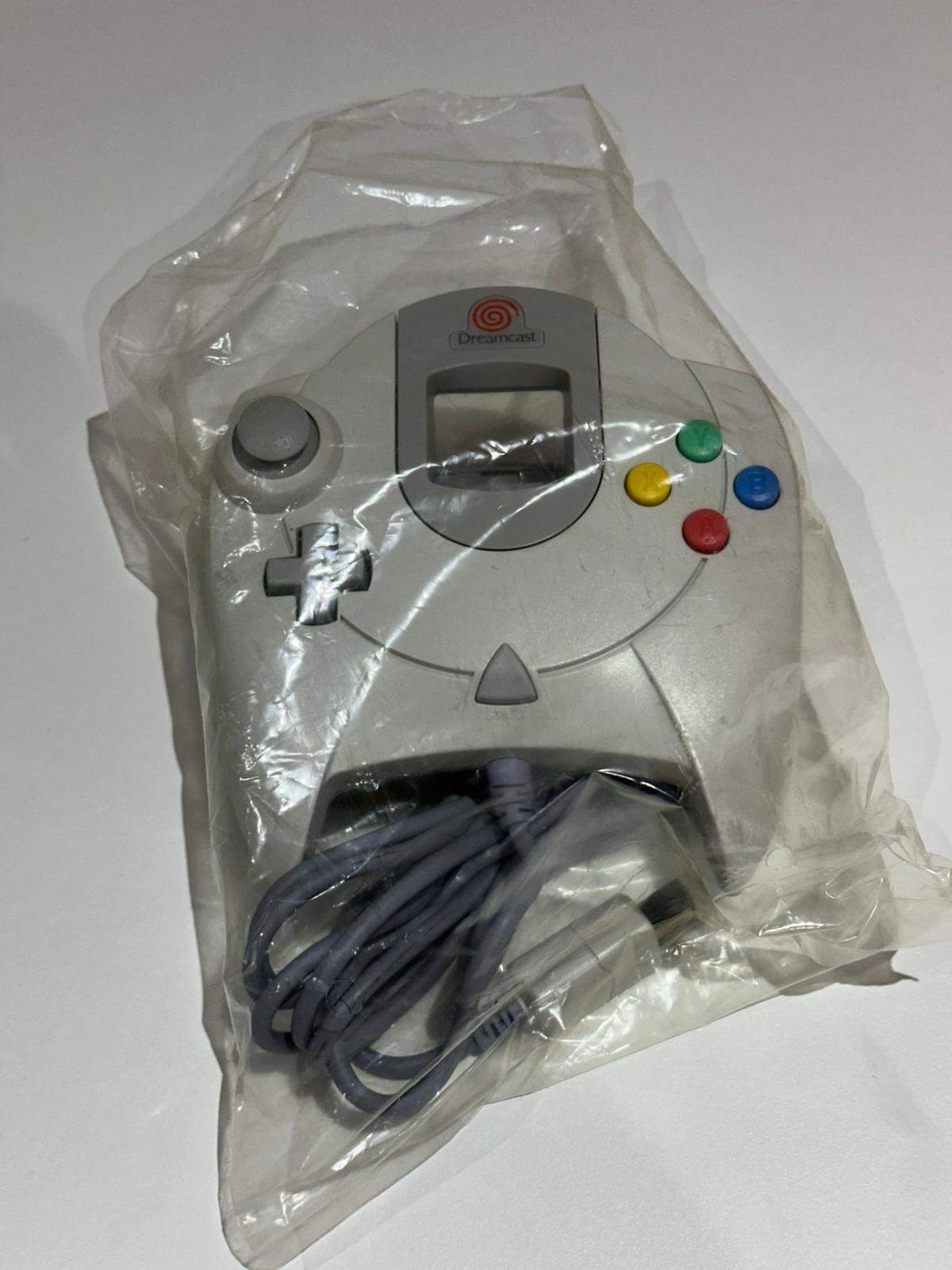
- ? Curiosity 4: The Dreamcast's controller featured a VMU (Visual Memory Unit), a small memory card with a screen that could be used for mini-games and displaying game information.
- ? Curiosity 5: The Dreamcast's GD-ROM format was designed to prevent piracy, but it was eventually cracked.
- ? Curiosity 6: The Dreamcast's launch in North America was heavily promoted with the slogan 'It's thinking.'
- ? Curiosity 7: The Dreamcast was discontinued in 2001, just over two years after its North American launch.
- ? Curiosity 8: Sega's decision to exit the console market was largely due to financial difficulties.
- ? Curiosity 9: Many Dreamcast games have been re-released on other platforms, demonstrating their enduring popularity.
- ? Curiosity 10: The Dreamcast's failure is often attributed to the success of the PlayStation 2 and Sega's damaged reputation from previous consoles.
📸 Gallery
.jpeg)
.jpeg)
.jpeg)
.jpeg)
.jpeg)
.jpeg)
.jpeg)
.jpeg)
.jpeg)
.jpeg)
.jpeg)
.jpeg)
.jpeg)
.jpeg)
.jpeg)
.jpeg)
.jpeg)
.jpeg)
.jpeg)
.jpeg)
.jpeg)
.jpeg)
.jpeg)
.jpeg)
.jpeg)
.jpeg)
.jpeg)